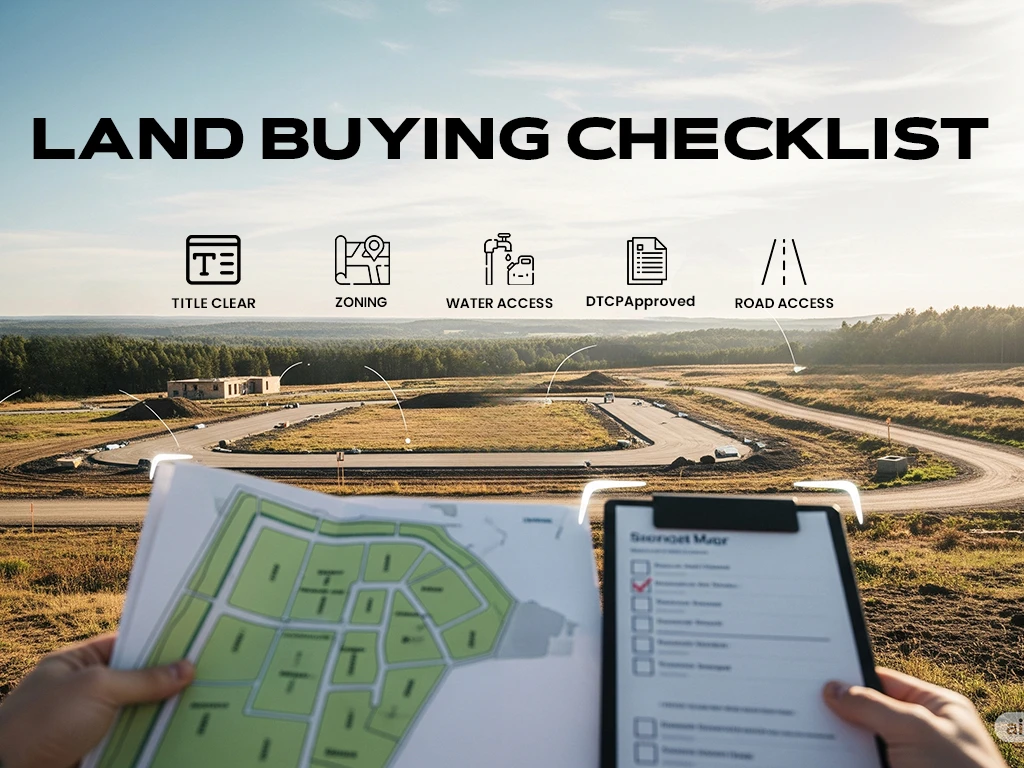


Buying land is one of the most significant investments an individual or business can make. Whether you are purchasing land for residential development, commercial purposes, agriculture, or investment, conducting proper due diligence is essential. Unfortunately, land fraud, ownership disputes, and irregular transactions remain common challenges in Kenya’s property market.
Understanding the legal and practical considerations before purchasing land can help protect your investment and prevent costly disputes in the future.
1. Verify Ownership of the Land
Before committing to any transaction, confirm that the seller is the legitimate owner of the property. Request copies of the title deed and identification documents and ensure that the names match.
If the seller is acting on behalf of another person or organization, verify that they have the legal authority to sell the property through a valid power of attorney, company resolution, or other supporting documentation.
2. Conduct an Official Land Search
An official land search at the relevant Land Registry is one of the most important steps in any property transaction. The search will confirm:
The registered owner of the land
The title number
Any existing encumbrances
Caveats, cautions, or restrictions
Charges or mortgages registered against the property
An official search helps establish whether the title is genuine and whether the land can be legally transferred.
3. Confirm the Authenticity of the Title Deed
Land fraud often involves forged title deeds. Buyers should engage an advocate to verify the authenticity of the title and ensure that the property records correspond with information held at the Land Registry.
Where necessary, additional verification may be undertaken through the Ministry of Lands and Physical Planning.
4. Conduct Physical Site Visits
Never purchase land solely based on photographs, maps, or representations by agents. A physical site visit allows you to:
Confirm the exact location of the property
Verify boundaries and acreage
Assess accessibility
Identify any occupants or developments on the land
Determine whether there are ongoing disputes
Multiple visits at different times can reveal important information that may not be immediately apparent.
5. Verify Boundary Positions and Survey Records
Boundary disputes are among the most common land-related conflicts in Kenya. Buyers should confirm survey records and, where necessary, engage a licensed surveyor to verify boundary positions and acreage.
This step helps avoid future disputes with neighboring landowners.
6. Check for Existing Encumbrances
A property may have legal obligations attached to it, including:
Bank charges and mortgages
Court orders
Caveats
Cautions
Easements
Restrictive covenants
Failure to identify encumbrances before purchase can expose buyers to significant financial and legal risks.
7. Confirm Land Use and Zoning Regulations
Different areas are subject to specific zoning and planning regulations. Before purchasing land, establish whether the intended use aligns with applicable county and national planning laws.
For example, agricultural land may have restrictions on subdivision or change of user, while commercial developments may require specific approvals.
8. Investigate Pending Disputes
Buyers should determine whether the property is involved in:
Court cases
Succession disputes
Family disputes
Boundary disputes
Community land claims
Purchasing land that is subject to ongoing disputes can result in lengthy litigation and financial losses.
9. Verify Rates and Land Rent Payments
For leasehold properties, confirm that land rent payments are up to date. Similarly, ensure that county land rates have been fully paid.
Outstanding land rates or rent can delay property transfers and become the responsibility of the new owner.
10. Engage a Qualified Advocate
Property transactions involve numerous legal requirements and documentation. A qualified advocate can assist with:
Due diligence investigations
Drafting and reviewing sale agreements
Verification of ownership documents
Completion and registration processes
Risk assessment and legal advice
Professional legal guidance significantly reduces the risk of fraud and costly mistakes.
11. Understand the Sale Agreement
The sale agreement forms the foundation of the transaction. Buyers should ensure the agreement clearly outlines:
Purchase price
Payment terms
Completion timelines
Obligations of both parties
Default provisions
Transfer procedures
Never sign a sale agreement without understanding its contents and legal implications.
12. Budget for Additional Costs
The purchase price is not the only cost involved in acquiring land. Buyers should budget for:
Stamp duty
Legal fees
Registration fees
Valuation fees
Survey costs
Search fees
Understanding the total cost of acquisition helps avoid unexpected financial burdens.
Common Land Buying Mistakes to Avoid
Many buyers make costly errors such as:
Purchasing land without conducting a search
Relying solely on brokers or agents
Failing to engage an advocate
Ignoring boundary verification
Paying the full purchase price before completing due diligence
Buying land involved in succession disputes
Avoiding these mistakes can save significant time, money, and stress.
Conclusion
Buying land in Kenya can be a rewarding investment when approached carefully and professionally. Proper due diligence, legal verification, and professional guidance are essential to safeguarding your investment and ensuring a smooth transaction.
Whether you are purchasing land for residential, commercial, agricultural, or investment purposes, taking the necessary precautions can help you avoid fraud, disputes, and future legal complications.
Need Legal Assistance with a Land Transaction?
At OOLAW, we provide comprehensive conveyancing and property law services, including due diligence, title verification, sale agreements, property transfers, and legal advisory services. Contact our experienced property lawyers today to ensure your investment is secure and legally protected.